“Can one light really make that much difference?”
During sea turtle nesting season on Florida’s Space Coast, it’s a question I hear often. It’s a fair one. After all, a porch light doesn’t seem particularly powerful. But to a hatchling emerging from its nest for the first time, that single light can mean the difference between reaching the ocean and heading in the opposite direction.
Imagine spending your entire life curled up inside an egg in complete darkness, never being exposed to light of any kind. For nearly two months, a sea turtle hatchling develops beneath the sand, hidden from the world above. Then, one night, everything changes.
The hatchling emerges and begins one of the most important journeys of its life: the crawl to the ocean. To us, that journey may look insignificant—a few yards of sand. But for a sea turtle, it marks the beginning of a remarkable biological process that scientists are still working to fully understand.
As hatchlings make their way toward the water, they gather information about the world around them. They detect light, sense Earth’s magnetic field, and begin building the navigation system that may one day guide them across thousands of miles of open ocean and back to their natal beach areas.
Scientists believe specialized magnetic receptors (magnetoreceptors) help sea turtles detect Earth’s magnetic field, while light-sensitive proteins called cryptochromes, found in their eyes, may function as a biological compass. These magnetoreceptors, microscopic crystals of magnetite which is often found in the turtle’s head or sometimes in their ear duct, serve as sensors that help them imprint on the Earth’s magnetic field. The cryptochromes, tiny light sensitive proteins found in the eyes, act like a biological compass. Together these two work as a magnetic map (magnetoreceptors) and a magnetic compass (cryptochrome). It’s how sea turtles can navigate some of the longest migrations in the animal kingdom, traveling thousands of miles each year to find their way back to their natal beaches, the area where they emerged.
The odds are already stacked against them. Only about one in 1,000 hatchlings is expected to survive to adulthood. For thousands of years, finding the ocean was simple. The brightest light was always the horizon where the moonlight reflected off the water, and nature programmed sea turtles to move toward that light. For countless generations, the system worked exactly as intended. Then we changed the rules.
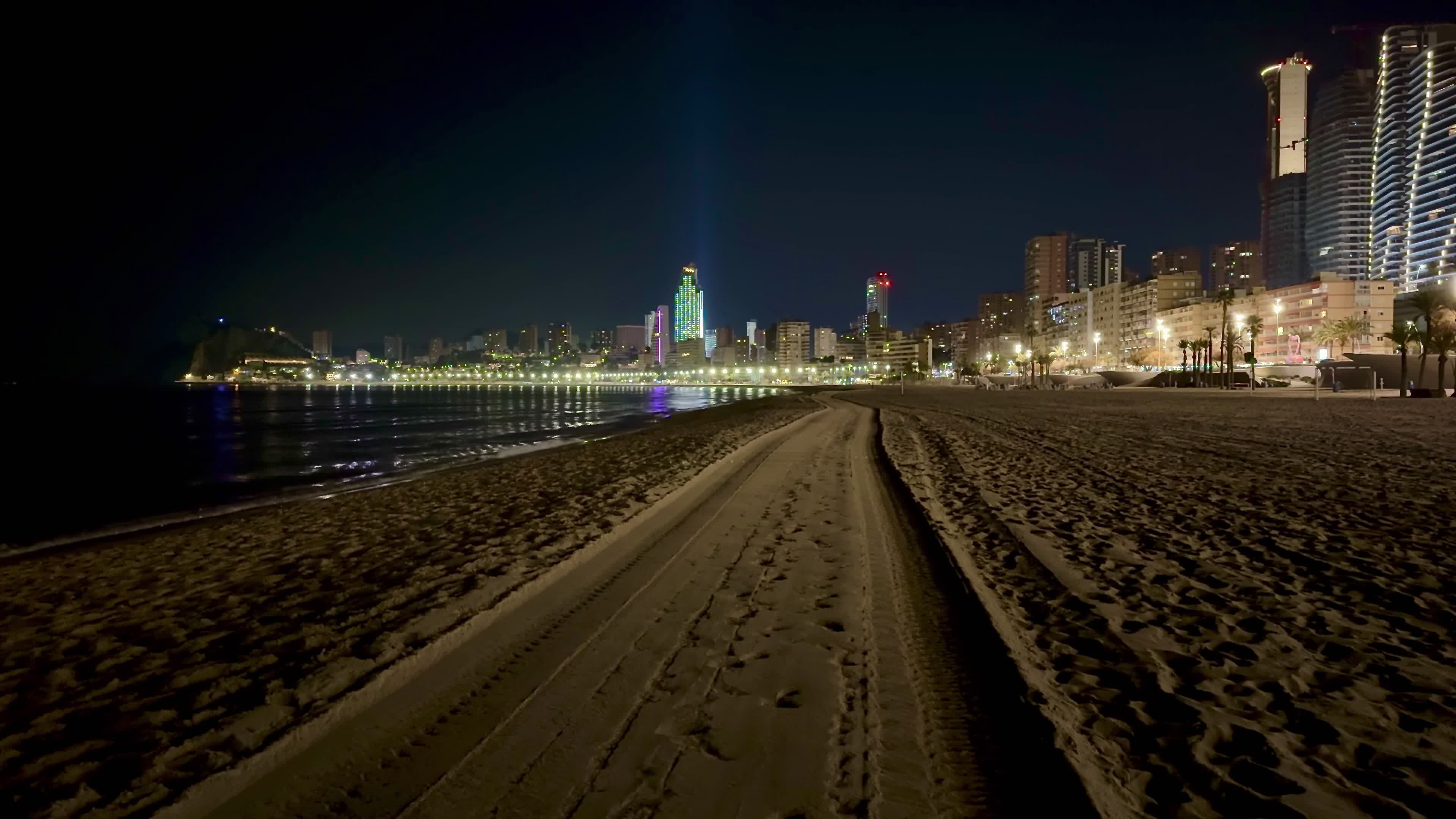
Today, the brightest light on many beaches isn’t the moon. It’s human behavior. Maybe it’s a brightly lit condo complex. Perhaps a beachfront home with bright white porch lights. Maybe it’s a heavily lit parking lot. It could even be an oceanfront restaurant with bright outdoor table lighting. However, to a hatchling, those artificial lights can look just like the horizon, and instead of heading toward the ocean, they head inland. Some become exhausted, dying in entangled vegetation or baking in the sun. Some become the victims of predators such as coyotes, armadillos, raccoons, ghost crabs, fire ants, feral cats, or unleashed dogs, just to name a few. Others wander into roads, parking lots, or storm drains and never reach the water at all.
Artificial lighting affects nesting females as well. A sea turtle is nearly weightless in the water, but on land every ounce of her body weight hits her like a sledgehammer. A loggerhead may weigh 300 pounds. A green sea turtle may weigh 350 pounds. A large leatherback can exceed 1,000 pounds. The next time you visit the beach, try lying down in the sand and pulling yourself forward using only your arms. You’ll quickly discover it’s much harder than it sounds! That’s what nesting sea turtles experience every time they come ashore. After laying her eggs, an exhausted nester must find her way back to the ocean. Artificial lights can cause her to wander unnecessarily inland, wasting precious energy and increasing her risk of injury or stranding. Bright lights can also deter females from nesting in the first place, causing them to abandon a nesting attempt and return to the water without laying their eggs – a behavior known as a false crawl. Flashlights, light from cellphones or smart watches, beachfront lighting, and even misdirected roadside lighting can all disrupt nesting sea turtles.
And light isn’t the only challenge humans create. Beach furniture left overnight can block nesting females and hatchlings. Holes dug in the sand become traps. Sandcastles become barriers. Even a footprint can look like the Grand Canyon to a hatchling no larger than the palm of your hand. Uninformed or careless beachgoers can deter nesting females as well, simply by using their cellphone on an otherwise dark, quiet beach.
The best thing we can do for sea turtles is to leave our beaches clean, flat, and dark. Because conservation is often the story of small things. One hatchling. One nest. One light. One hole. One sandcastle. One decision. By themselves, these things may seem insignificant. Together, they can determine whether a sea turtle survives.
Shielding lights, filling in holes, knocking down sandcastles, removing beach equipment, and picking up litter are all simple actions. Yet each one helps restore the conditions sea turtles depended on long before we arrived.
When we understand how sea turtles experience the world, we begin to understand something else: The choices we make matter, too. Every light matters!
- Witherington, Blair, and Dawn Witherington. Our Sea Turtles: A Practical Guide for the Atlantic and Gulf, from Canada to Mexico. 2nd ed., Pineapple Press, 2024.
- Witherington, Blair, and Dawn Witherington. Florida’s Living Beaches: A Guide for the Curious Beachcomber. Pineapple Press, 2007.
Leave a Reply